Florida Medicaid VFC Vaccine Denials (CARC 16, M51, N111): Bill Two Lines per Vaccine
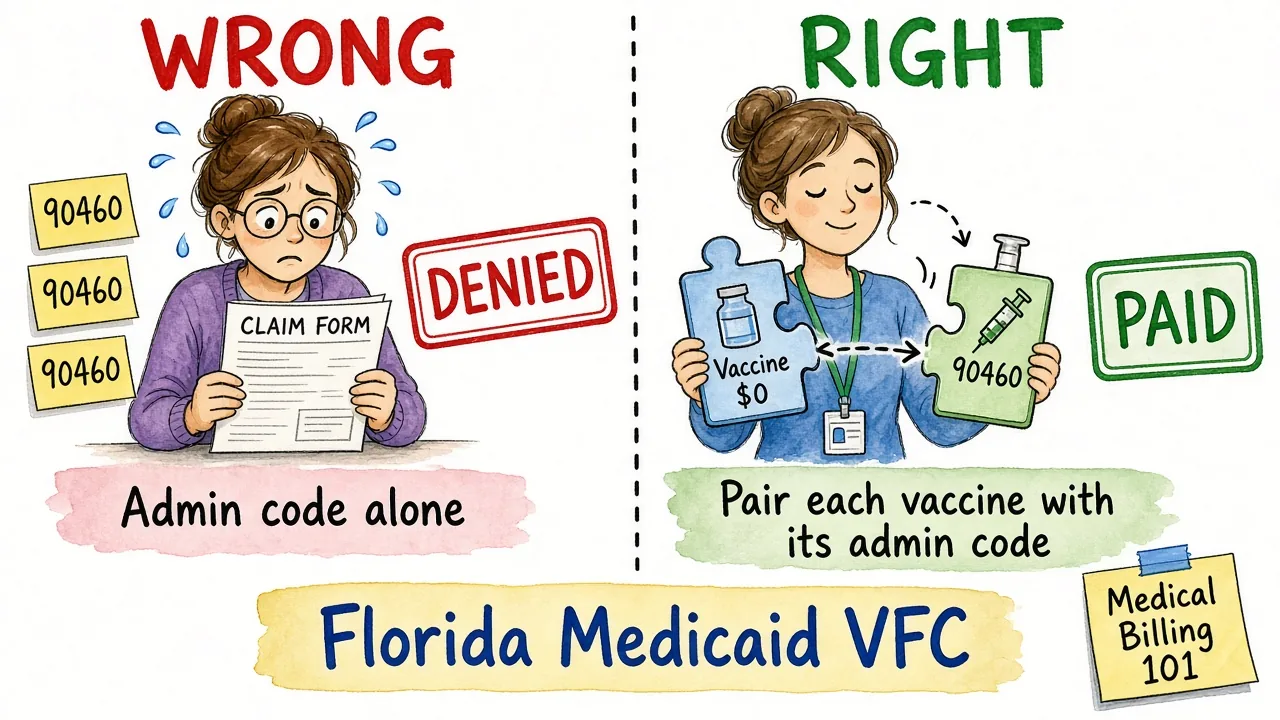
Florida Medicaid wants two codes for every vaccine you give. One is the vaccine product code. The other is the administration code,…

Find what a denial code means in plain English and the steps to fix it.
Quick, free helpers for billers, coders and patients. No sign-up.
Pick a denial code and payer, fill in claim details, copy a ready-to-edit appeal letter.
Enter the date of service or EOB date to see claim and appeal deadlines.
Search any CARC/RARC (e.g. CO-97, CO-16) for its meaning and fix steps.
Search the CMS NPI Registry by NPI or name and state. See type, taxonomy and address.
The newest denial code explainers and billing updates.
Florida Medicaid wants two codes for every vaccine you give. One is the vaccine product code. The other is the administration code,…
Got a medical bill months after the visit? Resolve it in four steps before you pay. Ask the provider for the EOB…
To overturn an ER visit denied as “not an emergency,” work it in four steps. Get the EOB and note the denial…
Act fast, and work on two fronts. First, send the collection agency a written dispute within 30 days of its first notice.…
Say your hospital or surgery center was in network, but the anesthesiologist, radiologist, pathologist or lab wasn’t. The federal No Surprises Act…
When prior authorization is denied, don’t cancel your care yet. First, get the denial reason and reference number from your doctor’s office.…
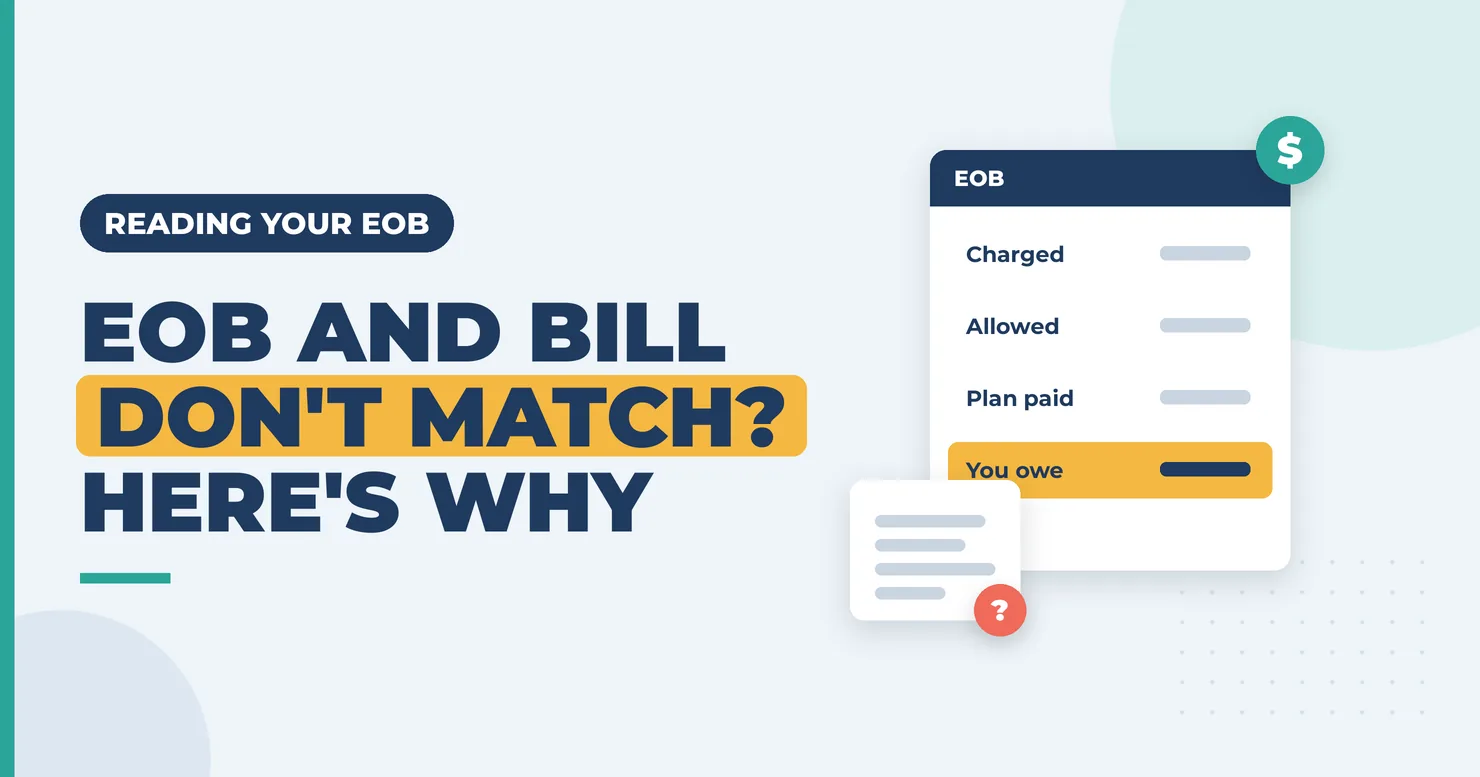
An Explanation of Benefits (EOB) is your insurer’s receipt for a claim. It is not a bill. To read one, find four…
You can fight a “not medically necessary” denial, and you have more time and more rights than most people think. Ask your…
Most private health plans must cover recommended preventive care with no cost sharing when you use an in-network provider. That includes a…
First, find out which kind of denial you have, because each needs a different fix. If your plan excludes weight-loss drugs, an…